Call Us!
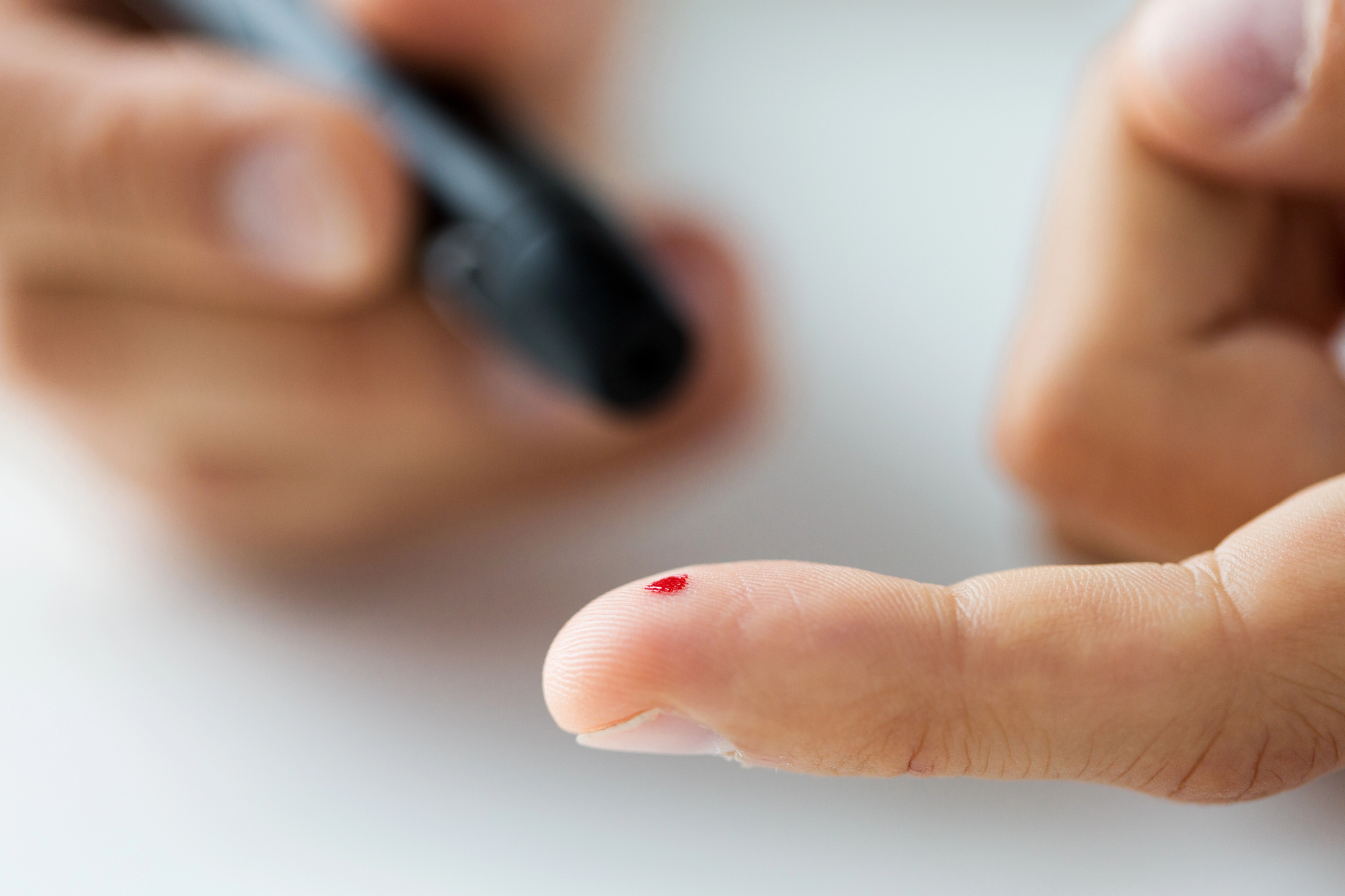
Diabetes mellitus is one of the most common chronic health conditions affecting men today, yet many underestimate how deeply it can impact overall well-being. Beyond issues with blood sugar, diabetes can quietly affect multiple systems in the body, especially those tied to circulation, nerve function, and hormones.
For many men, one of the earliest and most concerning complications is erectile dysfunction. What often begins as difficulty managing blood glucose can evolve into reduced blood flow, nerve damage, and changes in testosterone levels, all of which directly affect sexual performance and confidence.
Understanding how diabetes develops, the different types of the condition, and how it influences men’s health is essential for early intervention. With the right combination of medical care, lifestyle modifications, and targeted treatments, both diabetes and its complications can be managed effectively, helping men regain control of their health and quality of life.
What Is Diabetes Mellitus? And Why It Matters for Men’s Health
Diabetes mellitus (DM) is a chronic metabolic condition that affects how the body processes blood glucose, also known as blood sugar, the primary source of energy for cells. At its core, DM is either a problem with insulin production, insulin function, or both.
Insulin is a hormone produced by the pancreas that helps regulate blood sugar levels by allowing glucose to enter cells.
When this process breaks down, glucose builds up in the bloodstream instead of being used effectively. Over time, persistently high blood sugar can damage vital systems throughout the body, including blood vessels, nerves, and organs.
Diabetes has a particularly significant impact on men’s health, especially when it comes to hormonal balance and sexual function. Conditions such as hypogonadism (low testosterone), erectile dysfunction, and reduced libido are closely linked to poorly controlled diabetes.
Common early symptoms, often overlooked, include:
- Polyuria (frequent urination)
- Polydipsia (increased thirst)
- Polyphagia (increased hunger)
These symptoms reflect the body’s inability to properly regulate glucose due an underlying metabolic dysfunction.
Left unmanaged, diabetes can progress into a broader condition known as metabolic syndrome, which includes obesity, insulin resistance, high blood pressure, and high cholesterol levels, all of which further increase the risk of cardiovascular disease and sexual health complications.
DM is not just about blood sugar, but a systemic condition that directly impacts quality of life, long-term health, and even relationships with partners.
The Main Types of Diabetes in Men
While it might be common knowledge to some, it’s essential for all men to know that there are several types of diabetes mellitus and similar conditions, each with its own set of risk factors and treatments.
Type 1 Diabetes (Autoimmune Disease)
Type 1 diabetes is an autoimmune disease in which the immune system mistakenly attacks the insulin-producing cells in the pancreas. As a result, the patient’s body produces little to no insulin.
- Typically diagnosed earlier in life
- Requires lifelong insulin treatment
- Not directly linked to lifestyle factors
Although less common, men with Type 1 diabetes are still at risk for complications such as nerve damage (diabetic neuropathy) and erectile dysfunction if blood glucose control is inadequate.
Type 2 Diabetes (Most Common in Men)
Type 2 diabetes is the most prevalent form of DM in men, accounting for the majority of cases. It develops when the body becomes resistant to insulin or does not produce enough of it.
Key contributing factors include:
- Obesity and excess body fat
- Sedentary lifestyle
- Poor diet
- Aging
Type 2 diabetes is strongly associated with metabolic syndrome, which significantly increases the risk of cardiovascular disease and impaired blood flow, a major contributor to erectile dysfunction.
Many patients with Type 2 diabetes are treated with:
- Oral medications such as metformin
- Lifestyle modifications (diet and exercise)
- In some cases, insulin treatment or therapy
Without proper care of type 2 diabetes, prolonged high blood glucose levels can damage the cells in blood vessel linings (endothelial cells) and nerves, setting the stage for complications like diabetic neuropathy, diabetic retinopathy, and diabetic nephropathy.
Prediabetes and Other Forms
Prediabetes is an early warning stage where blood sugar levels are elevated but not yet high enough for a DM diagnosis. This stage is critical because intervention through lifestyle changes can prevent progression to Type 2 diabetes.
Other forms include:
- Gestational diabetes. Also known as carbohydrate intolerance, it occurs in women during pregnancy.
Even in early stages, subtle changes in nerve function, blood flow, and hormones can begin to affect men’s health, often before a formal diagnosis is made.

How Diabetes Affects the Male Body
Diabetes is not an isolated condition, as it disrupts multiple biological systems simultaneously. Over time, elevated blood sugar leads to widespread damage that directly impacts men’s health, particularly sexual function and hormonal balance.
Damage to Blood Vessels and Blood Flow
High blood glucose levels damage the inner lining of blood vessels, the endothelium, reducing their ability to expand and deliver adequate blood flow. The condition progresses to endothelial dysfunction, and is especially critical in smaller vessels, such as those that supply the penis.
- Reduced circulation leads to weaker erections
- Impaired oxygen delivery to smooth muscle tissues
- Increased risk of cardiovascular disease
This vascular damage is one of the primary reasons men with diabetes frequently develop erectile dysfunction or impotence.
Nerve Damage and Neuropathy
Another major complication is diabetic neuropathy, a condition caused by prolonged high blood sugar damaging the nerves.
- Disrupted nerve function and signaling
- Reduced sensation and sexual arousal response
- Impaired penile nerve function
This type of nerve dysfunction makes it more difficult for the brain and body to coordinate the processes in the vascular system and muscle function required for sexual performance.
Hormonal Imbalance and Testosterone Decline
Diabetes also affects the endocrine system, leading to imbalances in hormones, particularly testosterone.
Endocrine problems in men put them at an increased risk of:
- Hypogonadism (testes produce little to no testosterone and insufficient sperm)
- Reduced libido and sexual desire
- Fatigue and decreased energy
Low testosterone further compounds the effects of poor circulation and nerve damage, creating a cycle that worsens erectile dysfunction.
Systemic Complications That Impact Quality of Life
Beyond sexual health, diabetes can lead to serious long-term complications:
- Diabetic retinopathy (eye damage)
- Diabetic nephropathy (kidney disease)
- Chronic fatigue and reduced vitality
These complications significantly affect a patient’s overall quality of life, relationships with partners, and mental well-being.
The Link Between Diabetes and Erectile Dysfunction (ED)
Erectile dysfunction is one of the most common and distressing complications of diabetes in men. Studies consistently show that men with diabetes are significantly more likely to develop problems with erectile function, and often at an earlier age than those without the condition.
An erection is a complex process involving blood flow, nerve signaling, and hormonal balance. DM disrupts all three systems simultaneously, which is why erectile dysfunction in diabetic patients tends to be more persistent and difficult to treat without targeted care.
Blood Flow Problems (Vascular Damage)
Healthy erectile function depends on strong, consistent blood flow through the penile arteries. However, chronic high blood sugar damages the lining of the penis’s tiny blood vessels, leading to endothelial dysfunction, reducing their elasticity, and limiting circulation.
- Narrowed arteries restrict blood flow to the penile smooth muscle
- Reduced blood flow leads to weaker or short-lived erections
- Cardiovascular disease risk further compounds the problem
These vascular and microvascular complications are one of the primary drivers of erectile dysfunction in men with diabetes.
Nerve Damage (Diabetic Neuropathy)
In addition to vascular issues, diabetes can cause diabetic neuropathy, a form of nerve damage that affects communication between the brain and the body.
- Impaired nerve signaling reduces the sexual stimulation response
- Decreased sensitivity due to nerve dysfunction
- Disruption of penile nerve function
Because erections rely on precise coordination between the nervous system and blood vessels, even mild neuropathy can significantly impact performance.
Hormonal Changes and Testosterone Decline
As stated previously, DM is also closely linked to hormonal imbalances, particularly reduced testosterone levels. Many men with diabetes develop hypogonadism, which can further contribute to impotence. These hormonal changes create a compounding effect when combined with poor circulation and nerve damage.
Psychological and Relationship Factors
Beyond the physical causes, diabetes-related erectile dysfunction often affects mental and emotional well-being.
- Anxiety about sexual performance
- Stress related to chronic illness
- Strain on relationships with partners
- Depressive symptoms
Over time, these psychological factors can reinforce the physical symptoms, making erectile dysfunction more difficult to overcome without comprehensive treatment.
Early Warning Signs Men Should Not Ignore
Diabetes and erectile dysfunction often develop gradually, which means early symptoms can be subtle and easy to dismiss. Recognizing these warning signs early allows for faster intervention and better outcomes.
Common Symptoms of Diabetes
Men with developing diabetes may experience:
- Frequent urination (polyuria)
- Increased thirst (polydipsia)
- Increased hunger (polyphagia)
- Fatigue and low energy
- Blurred vision (potential early diabetic retinopathy)
These symptoms indicate problems with glycemic control (controlling blood glucose levels) and should prompt evaluation by a doctor.
Early Signs of Erectile Dysfunction
Erectile dysfunction also does not always appear suddenly. Early indicators may include:
- An initial difficulty in achieving an erection
- Trouble maintaining an erection during intercourse
- Reduced sexual satisfaction and desire
- Less firm erections than usual
In many cases, erectile dysfunction is one of the first visible signs of underlying vascular or metabolic issues, including coronary artery disease or diabetes.
ED as an Early Indicator of Vascular Disease
Because the penile arteries are smaller than other blood vessels in the body, they are often affected first by circulation problems.
This means erectile dysfunction can act as an early warning sign of:
- Cardiovascular disease
- Blood vessel damage
- Poor blood sugar control
Men experiencing these symptoms should not ignore them, as early diagnosis can prevent more serious complications.

Risk Factors That Increase Diabetes and ED in Men
While diabetes can affect any man, certain risk factors significantly increase the likelihood of developing both type 2 diabetes and erectile dysfunction.
Obesity and Metabolic Syndrome
Excess body weight is one of the strongest predictors of type 2 diabetes and related complications.
- Increased insulin resistance
- Higher risk of metabolic syndrome
- Reduced testosterone levels
Obesity also contributes to poor blood flow and inflammation, both of which impact erectile function.
Smoking and Poor Circulation
Smoking damages blood vessels and restricts circulation throughout the body, contributing to:
- Reduced blood flow to the penile smooth muscle tissue
- Increased cardiovascular risks for diseases like endothelial dysfunction and coronary artery disease
- Worsening erectile function
For men with diabetes, smoking accelerates damage to both blood vessels and nerves.
Sedentary Lifestyle and Poor Diet
A lack of physical activity and unhealthy eating habits contribute to:
- Elevated blood sugar levels
- Weight gain
- Reduced cardiovascular health
Over time, these factors worsen insulin resistance and increase the likelihood of nerve damage and erectile dysfunction.
Age and Hormonal Changes
As men age, the risk of diabetes and erectile dysfunction naturally increases.
- Declining testosterone levels
- Increased likelihood of hypogonadism
- Greater susceptibility to vascular and nerve damage
These age-related changes make proactive diabetes care even more important.
How Diabetes Is Diagnosed and Managed
Managing diabetes effectively starts with an accurate diagnosis and a structured care plan. Because symptoms can develop gradually, many men are unaware they have diabetes until complications, such as erectile dysfunction, begin to appear.
The diagnostic process typically follows a few key steps:
- Step 1- Symptom Evaluation and Medical History: A doctor begins by reviewing symptoms such as polyuria, polydipsia, fatigue, and changes in appetite. Family history, lifestyle factors, and existing conditions like obesity or metabolic syndrome are also considered to assess risk.
- Step 2-Blood Glucose Testing: Blood tests are used to measure blood glucose levels and confirm a diagnosis. Common tests include fasting blood glucose and HbA1c, which reflects average blood sugar levels over several months. These results help determine whether a patient has prediabetes, type 2 diabetes, or another form of diabetes mellitus.
- Step 3-Ongoing Monitoring and Confirmation: In some cases, repeat testing or additional assessments may be required to confirm the diagnosis and evaluate how well blood sugar is being controlled over time.
Once diagnosed, diabetes care focuses on glycemic control (stabilizing blood sugar) and preventing long-term complications. For many men, treatment begins with medications such as metformin, which helps improve insulin sensitivity and lower blood glucose. In more advanced cases, insulin therapy may be required to regulate blood sugar levels more directly.
However, medication alone is rarely enough. Long-term management depends heavily on consistent lifestyle changes, including improved diet, regular physical activity, and weight control in both patients with type 1 and type 2 diabetes.
These interventions not only help with glycemic control but also improve circulation, metabolic control (hormone balance), and overall men’s health.
Ongoing monitoring is essential. Patients are often advised to track their blood sugar levels regularly and maintain close communication with their doctor to adjust medications and treatment strategies as needed.
Treating Erectile Dysfunction in Men With Diabetes
Treating erectile dysfunction in men with diabetes requires a comprehensive approach that addresses both the symptoms and the underlying causes. Because diabetes affects blood flow, nerve function, and hormones simultaneously, a one-size-fits-all solution is often ineffective.
Lifestyle Interventions
In many cases, improving overall health can significantly enhance erectile function. Lifestyle changes such as losing excess weight, increasing physical activity, and quitting smoking help restore healthier blood flow and reduce inflammation. These changes also improve insulin sensitivity, which plays a key role in stabilizing blood glucose.
For male patients in the early stages of erectile dysfunction, these adjustments can slow progression and, in some cases, partially reverse symptoms.
Oral Medications and PDE5 Inhibitors
The most commonly prescribed treatments for erectile dysfunction by urologists are oral medications known as Phosphodiesterase type 5, or PDE5, inhibitors. These include well-known options such as Viagra™ (sildenafil), Cialis™ (tadalafil), Levitra™ (vardenafil), Stendra™ (avanafil), Mirodenafil, and Udenafil (all the “afils”).
These medications work by enhancing the effects of nitric oxide in the blood, thus increasing blood flow to the smooth muscles of the penis, making it easier to achieve and maintain an erection during sexual stimulation. For many male patients, PDE5s provide a convenient and effective first-line treatment.
However, men with diabetes may experience reduced effectiveness with PDE5 inhibitors due to underlying vascular damage and nerve dysfunction. In these cases, higher doses or alternative treatments may be necessary under the guidance of a doctor.
Advanced Treatment Options for Diabetic ED
When oral phosphodiesterase type 5 medications like sildenafil or tadalafil are not effective, more advanced therapies can offer meaningful results. These treatments are designed to bypass some of the limitations caused by damaged blood vessels and nerves.
One such option is intracavernous pharmacotherapy (ICP), a targeted treatment that delivers injectable medications directly into the penile smooth muscle to stimulate blood flow and improve erectile function. Intracavernosal injections can be particularly effective for men with diabetes, as it works independently of the body’s natural vascular and nerve pathways.
Specialized programs that combine multiple therapies, such as customized medications, testosterone therapy, penile implants, and ongoing monitoring, can provide a more comprehensive solution.
Personalized treatment plans are especially important for diabetic patients, whose needs often vary based on the severity of nerve damage, endothelial dysfunction, and hormonal imbalance.

The Role of Lifestyle Changes in Improving Both Diabetes and ED
Lifestyle modifications play a central role in managing both diabetes and erectile dysfunction. While medical treatments are important, daily habits often determine long-term outcomes, especially for glycemic (blood sugar) control, circulation, and hormone balance.
The following lifestyle adjustments can significantly improve both diabetes management and sexual health in male patients:
- Healthy Diet and Blood Sugar Control: A balanced diet that reduces processed and refined carbohydrates and added sugars while increasing fiber intake helps stabilize blood glucose levels. Consistent nutrition based on whole grains, fruits, and vegetables supports better insulin function and reduces the risk of further damage to blood vessels and nerves.
- Regular Physical Activity: Exercise improves insulin sensitivity, lowers blood sugar, and enhances cardiovascular health. Better circulation leads to improved penile blood flow, which is essential for maintaining strong and consistent erectile function.
- Weight Management: Reducing excess body weight helps decrease insulin resistance and lowers the risk of metabolic syndrome. Weight loss can also support healthier testosterone levels and improve overall men’s health.
- Smoking Cessation: Smoking damages blood vessels and artery walls and contributes to nerve damage, both of which worsen erectile dysfunction. Quitting smoking can improve vascular function and slow the progression of diabetes-related complications.
- Stress Reduction and Hormonal Balance: Chronic stress disrupts hormones, including testosterone, and can negatively affect both blood sugar control and sexual performance. Managing stress through relaxation techniques, sleep, and mental health support can improve outcomes.
- Consistent Diabetes Care and Monitoring: Regularly checking blood sugar levels and following a structured diabetes care plan helps prevent complications such as diabetic neuropathy and vascular damage. Ongoing communication with a doctor ensures that treatment remains effective over time.
Together, these lifestyle changes create a reinforcing cycle: improved diabetes control leads to better blood flow, healthier nerve function, more balanced hormones, and ultimately a higher quality of life.
Why Early Treatment Improves Quality of Life
Diabetes and erectile dysfunction are both progressive conditions, meaning they tend to worsen over time if left untreated.
Early diagnosis and intervention can make a significant difference, not just in managing symptoms but in preserving long-term health and well-being.
When blood sugar levels are controlled early, the risk of complications such as diabetic neuropathy, blood vessel damage, and hormone imbalances is significantly reduced. This helps maintain proper blood flow, nerve function, and testosterone levels, all of which are essential for sexual health.
Beyond the physical benefits, early treatment also has a meaningful impact on emotional and psychological well-being. Erectile dysfunction can affect confidence, self-esteem, and relationships with partners.
Addressing the issue early helps prevent these challenges from becoming long-term sources of stress or anxiety.
Men who take a proactive approach to diabetes care often experience:
- Better energy levels and overall vitality
- Improved sexual performance and satisfaction
- Stronger relationships, sexual life, and communication with partners
- Greater confidence in managing their health
Ultimately, early intervention should be viewed as more than symptom control and taken as what it really is: protecting quality of life and maintaining independence, performance, and long-term health.
When to See a Doctor (And Why You Shouldn’t Wait)
Many men delay seeking medical help for symptoms related to diabetes or erectile dysfunction, often assuming the issue will resolve on its own. In reality, both conditions tend to progress without proper treatment, and early intervention can significantly improve outcomes.
You should consider seeing a doctor if you notice any of the persistent symptoms, such as frequent urination, increased thirst, unexplained fatigue, or changes in sexual performance.
Early evaluation allows for:
- Accurate diagnosis of diabetes mellitus or prediabetes
- Identification of complications such as neuropathy or vascular damage
- Development of a personalized treatment plan tailored to your condition
For men experiencing erectile dysfunction, a medical consultation can also determine whether oral medications like sildenafil and tadalafil are appropriate, or if more advanced, targeted treatments may be more effective.
At Boston Medical Group, physicians specialize in men’s sexual health and understand the unique challenges that diabetes presents. Through confidential consultations and questionnaires, they create personalized care plans so patients can receive treatment options designed to address both the underlying condition and its impact on sexual performance.
The key is timing. The sooner you seek expert care, the more treatment options are available, and the better the results tend to be.
Taking Control of Diabetes and Men’s Sexual Health
Diabetes mellitus is a complex condition that affects far more than blood sugar. In men, it can significantly impact sexual health, often leading to erectile dysfunction.
The good news is that both diabetes and erectile dysfunction are manageable, even treatable, with the right approach.
For men struggling with erectile dysfunction related to diabetes, treatment should go beyond temporary solutions. While medications such as PDE5 inhibitors can be effective, many patients benefit from more personalized approaches that address the root causes, such as impaired blood flow, nerve dysfunction, and hormonal imbalance.
Boston Medical Group Telemedicine offers specialized programs designed specifically for men facing these challenges. With experienced physicians, advanced treatment options, and a focus on individualized care, patients can access solutions that are tailored to their unique needs and health history.
Taking action now can prevent further complications and significantly improve quality of life. If you are experiencing symptoms of diabetes or erectile dysfunction, scheduling a virtual consultation is the first step toward regaining control of your health, restoring confidence, and improving your relationships with partners.